Stone Ovens, Fermented Dough, and the Real Reason Your Homemade Pizza Never Quite Hits
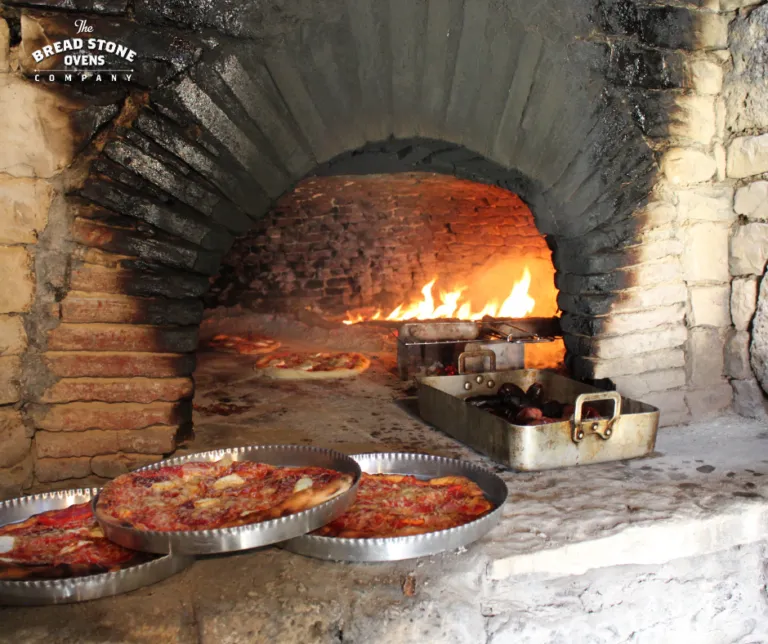
Photo: artisan pizza coming out of stone wood fired oven with leopard char crust, via breadstoneovens.com
Let's be honest. Most homemade pizza nights start with good intentions and end with a slightly pale, chewy disc that tastes more like bread with ketchup than anything resembling a real Neapolitan pie. You followed the recipe. You bought decent mozzarella. You even splurged on a pizza stone. And yet — something's still missing.
Here at Piezano's, we've spent 20 years obsessing over that "something." Our stone ovens have fired tens of thousands of pies, and along the way, our pizza masters have picked up lessons that most home cooks simply never get the chance to learn. We're pulling back the curtain on a few of them today.
It All Starts Way Before You Touch the Dough
If there's one thing our kitchen team will tell you without hesitation, it's this: great pizza dough is a patience game. The difference between a crust that's crispy on the outside, airy and chewy on the inside, and one that just tastes like plain bread comes down almost entirely to fermentation time.
Most store-bought doughs and quick weeknight recipes call for a rise of one to two hours at room temperature. That gets you functional dough. What it doesn't get you is flavor. At Piezano's, our dough undergoes a cold fermentation process that runs anywhere from 48 to 72 hours in the refrigerator. During that extended rest, naturally occurring enzymes break down complex starches into simpler sugars, and the yeast works slowly — developing the kind of deep, slightly tangy flavor profile that you just can't rush.
For home bakers willing to plan ahead, this is actually achievable. Mix your dough on Thursday night, let it cold-ferment in the fridge, and pull it out Saturday afternoon. Let it come to room temperature for about an hour before stretching. You'll notice the difference immediately — both in how the dough handles and in how the finished crust tastes.
The Temperature Problem Nobody Talks About
Here's the harsh truth about your home oven: it probably maxes out around 500 to 550 degrees Fahrenheit. A traditional Neapolitan stone oven? It runs between 800 and 900 degrees. That's not a small gap — it's a fundamentally different cooking environment.
At high heat, a pizza cooks in 60 to 90 seconds. The crust blisters and chars in tiny spots (those are called "leopard spots" in the pizza world, and they're a sign of authenticity). The cheese melts without overcooking. The sauce reduces slightly without drying out. At 500 degrees in a home oven, a pizza takes eight to twelve minutes, and the extended time changes everything about the texture and moisture balance.
Our stone ovens at Piezano's are the single biggest reason our pies taste the way they do. The dense stone retains heat evenly and transfers it directly to the crust the moment the dough makes contact — creating that characteristic bottom char and structural crispness that no baking sheet can replicate.
If you're serious about home pizza, a baking steel (not just a stone) preheated for at least 45 minutes on your oven's highest rack setting is your best shot at approximating this effect. Some adventurous home cooks even use their oven's broiler for the last 60 seconds. Results vary, but the commitment is admirable.
Topping Balance: Less Really Is More
One of the most common mistakes we see — and one our team talks about constantly — is overloading. American pizza culture has conditioned us to think more toppings equals more value. In the Neapolitan tradition, that logic gets completely flipped.
A properly balanced pie lets each ingredient breathe. At Piezano's, our classic Margherita uses San Marzano-style crushed tomatoes, fresh mozzarella, a few torn basil leaves, and a drizzle of good olive oil. That's it. The restraint isn't laziness — it's respect for the ingredients. When you pile on five toppings, they steam each other out during baking, releasing excess moisture that turns your carefully crafted crust into a soggy disappointment.
The rule of thumb our pizza masters follow: no more than three to four toppings on a 12-inch pie, and anything with high water content (fresh mushrooms, fresh tomatoes, certain peppers) should either be pre-cooked or added after baking.
The Flour Question
Not all flour is created equal, and the type you use matters more than most people realize. Standard all-purpose flour works, but Italian "00" flour — finely milled and lower in protein — produces a softer, more extensible dough that stretches without snapping back and bakes up with that characteristic tender chew. It's widely available at most grocery stores and specialty food shops across the US, and it's worth seeking out if you're going the homemade route.
When You'd Rather Just Have the Real Thing
Here's the honest part: even armed with all this knowledge, replicating a stone oven pizza at home is a genuine project. Between the 72-hour fermentation, the preheated baking steel, the sourcing of 00 flour and quality San Marzano tomatoes, and the careful topping ratios — it's a labor of love that doesn't always fit a Tuesday evening.
That's exactly why Piezano's exists. Every pie that comes out of our kitchen carries those 20 years of stone oven experience directly to your door. Our online ordering at piezanospizzeriamenu.com lets you skip the prep work and get straight to the part everyone actually enjoys — eating a genuinely great pizza.
Whether you're in the mood for a classic Margherita, a loaded specialty pie, or something in between, you're getting dough that's been properly fermented, sauce made from quality tomatoes, and toppings balanced by people who've thought about this stuff way too much for way too long.
Sometimes the best pizza is the one you didn't have to make yourself.