Chasing the Perfect Slice: Inside America's Growing Pizza Tourism Obsession
When a Slice Becomes a Destination
Somewhere between the rise of food influencers and the collective post-pandemic urge to do something meaningful, a strange and wonderful thing happened: Americans started treating pizzerias like national monuments.
Not the big chains. Not the convenient spots two exits off the highway. We're talking about the tucked-away, cash-only, third-generation family joints that have a line out the door before they even flip the open sign. People are driving four hours — sometimes flying across the country — to wait in that line. To eat one slice. To post a photo, sure, but also, genuinely, to taste something they've been told is worth every mile.
This is pizza tourism, and it's more serious than it sounds.
The Road Trip as Food Ritual
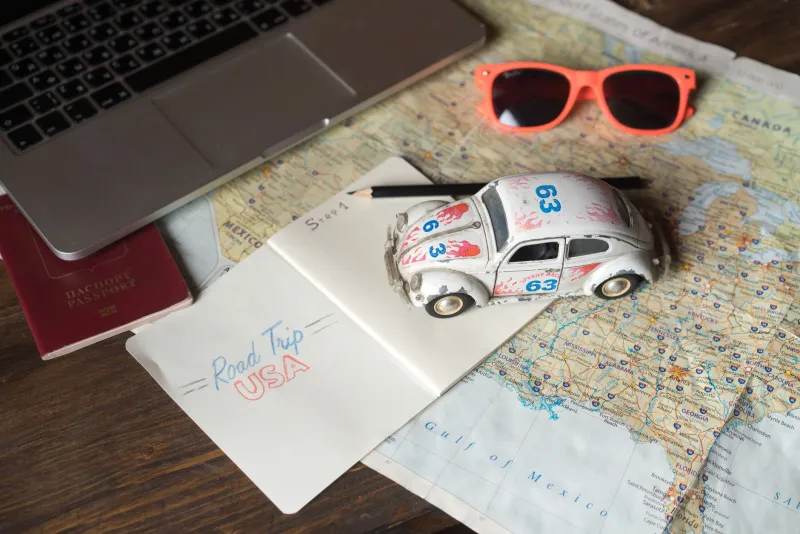
Talk to anyone who's made a dedicated pizza pilgrimage and they'll describe it the way hikers talk about summiting a peak. There's the planning phase — the Reddit threads, the Yelp deep-dives, the Instagram reels that started the whole obsession. Then the journey itself, which somehow becomes part of the experience. And finally, the slice.
For a lot of people, it's not even about whether the pizza lives up to the hype. It's about the ritual of pursuing it. Food has always been tied to place and memory, but pizza has a particularly powerful grip on the American imagination. It's democratic enough to be everywhere, yet regional enough that a New Haven apizza and a Detroit square and a Chicago deep dish feel like they come from completely different culinary universes.
That regional specificity is exactly what drives people to travel. You can approximate a lot of things at home. You cannot approximate a coal-fired, 900-degree oven that's been seasoned by decades of continuous use. You cannot replicate the water, the flour sourced from a specific mill, the specific muscle memory of a third-generation pizza maker who's never measured a single ingredient in his life.
Social Media Changed the Map
For most of American food history, legendary pizzerias spread by word of mouth — slowly, locally, organically. Your uncle told you about a place. You told your coworker. The reputation stayed regional because the audience stayed regional.
Then came Instagram. Then TikTok. Then the food content creators who built entire audiences around hunting down obscure, hyper-regional, "you've never heard of this" food experiences.
Suddenly a 40-seat pizzeria in a strip mall outside Providence is getting tagged in videos that rack up two million views. The line the next weekend wraps around the block — half of it people who drove in from out of state, phones ready.
This is genuinely a double-edged thing. On one hand, small, brilliant pizzerias that might have stayed quiet neighborhood secrets are getting the recognition they deserve. On the other hand, the pilgrim crowd can overwhelm a place that was never built to handle it. Some of the most celebrated spots in the country now require reservations months in advance, which creates its own kind of mystique — and its own kind of frustration.
What Makes a Pizzeria Worth the Journey?
This is the real question, isn't it? Not every place with a cult following deserves one. Hype and quality don't always overlap.
But the pizzerias that genuinely earn the road trip tend to share a few things. First, there's an unwillingness to compromise. The dough ferments for however long it needs to — 48 hours, 72 hours, sometimes longer — regardless of whether that's convenient for production. The sauce is made from specific tomatoes because those specific tomatoes taste right, not because they're the cheapest option on the supplier list. The cheese is applied with intention, not just coverage.
Second, there's usually a story. Not a marketing story — an actual one. A family recipe that predates the current owners by two generations. A technique learned in a specific city in Italy and never adapted for American shortcuts. A neighborhood context that shaped what the pizza became.
Third — and this is the part that's hard to manufacture — there's consistency. The pilgrims keep coming back because the slice they had two years ago tastes exactly like the one they're having today. That kind of reliability is harder to achieve than innovation. It requires discipline, care, and a genuine refusal to drift.
The Irony at the Heart of Pizza Tourism
Here's something worth sitting with: most of the people making these pilgrimages have a perfectly good pizzeria within reasonable distance of their house. Not a chain — an actual craft operation that ferments its dough, sources quality ingredients, and gives a genuine damn about what comes out of the oven.
They just don't know about it yet. Or they've driven past it a hundred times without registering it as a destination. The hype hasn't reached them. The TikTok video hasn't landed in their algorithm.
This is one of the quiet ironies of food culture right now. We'll plan a weekend trip around a pizza we saw on a screen, but we'll scroll right past the place in our own city that might hit just as hard — or harder — because it hasn't been packaged and amplified yet.
That's not a knock on the travelers. The pilgrimages are genuinely worthwhile. But it's a reminder that discovery doesn't require distance.
Your Next Great Slice Might Be Closer Than You Think
At Piezano's, we think about this a lot. Not in a competitive way — there's room for every great pizzeria in this country, and we love that people care this deeply about pizza. But we do think about what it means to be worth someone's attention.
The dough we use takes time. The ingredients we put on it are chosen because they taste right, not because they're convenient. The pizza that shows up at your door — or that you pick up on a Tuesday night because it's been that kind of week — is made with the same care we'd want if we were the ones making the drive.
You shouldn't have to road trip for a great slice. But if you've been sleeping on what's available right in your own backyard, maybe the real pilgrimage is just opening the right tab.
We'll be here when you're ready.