Cheap Cheese, Perfect Crust: The Real Secrets Behind a Pizza That Blows Your Mind
There's a belief that floats around food culture like oregano in a draft — the idea that if you just spend more on ingredients, the result will automatically taste better. Wagyu beef burgers. Truffle everything. Gold-leaf desserts that cost more than a car payment. Pizza has caught this same fever, with menus sometimes reading like a luxury goods catalog. Imported buffalo mozzarella flown in from Campania. Prosciutto aged for 24 months. Saffron-infused sauce.
Here's the uncomfortable truth: most people, in a blind taste test, can't reliably tell the difference.
That's not cynicism. That's actually fascinating science — and understanding it changes the way you think about every slice you've ever eaten.
Your Brain Doesn't Taste Ingredients. It Tastes Experiences.
Flavor perception is a weird, layered thing. Researchers in sensory psychology have long known that our brains construct the experience of taste using input from smell, texture, temperature, visual cues, and even sound. That satisfying crunch when you bite through a well-baked crust? It's not just texture — it's literally making your brain rate the pizza as more flavorful.
This is why a perfectly executed pizza made with modest ingredients can absolutely wreck a poorly made pizza loaded with expensive ones. The fermentation on the dough, the bake temperature, the moisture content of the cheese, the balance of salt — these variables shape your perception of flavor far more dramatically than whether the tomatoes came from a San Marzano-certified farm or a domestic cannery in California.
At Piezano's, we think about this a lot. The goal was never to build a menu that impresses people on paper. It was to build one that makes people close their eyes on the first bite.
The Dough Is Doing 60% of the Work
If there's one place where technique crushes cost every single time, it's the crust. Flour is cheap. Water is cheap. Yeast is practically free. But what you do with those three things over time is where the real alchemy happens.
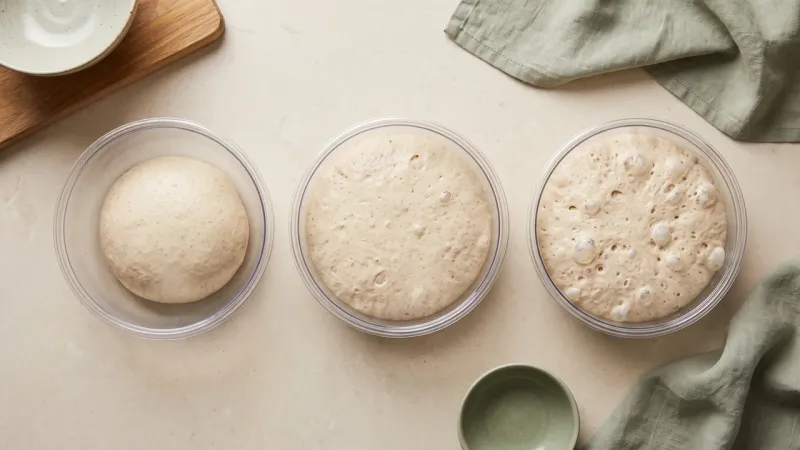
Fermentation — the slow, cold process of letting dough develop over 24 to 72 hours — creates a complexity of flavor that no expensive topping can replicate or compensate for. During fermentation, enzymes break down starches into sugars, and those sugars caramelize in the oven. Organic acids develop, giving the crust a subtle tang. Gas bubbles form and stabilize, creating that open, airy crumb structure that makes a great crust chewy in the middle and crisp on the outside simultaneously.
A dough that's been rushed — proofed quickly with extra yeast and tossed into the oven same-day — will taste flat and bready no matter what you pile on top. Meanwhile, a properly fermented dough with a basic tomato sauce and low-moisture mozzarella will stop you mid-conversation.
This is non-negotiable in our kitchen. Every dough at Piezano's goes through a cold fermentation process because we'd rather get the foundation right than paper over it with fancier toppings.
Temperature Is a Topping You Can't See
Professional pizza ovens run at temperatures that would make your home oven genuinely nervous — often between 700°F and 900°F. At those temperatures, something called the Maillard reaction kicks into overdrive. This is the chemical process responsible for browning, and it's behind the color on your crust, the slight char on your cheese, and those caramelized edges on your pepperoni.
The Maillard reaction creates hundreds of distinct flavor compounds in seconds. It's the difference between a pizza that tastes baked and one that tastes cooked — alive, complex, slightly smoky, deeply savory. You simply cannot replicate this at 425°F in a standard home oven, regardless of what you put on the pizza.
Here's where this gets interesting: a plain margherita — just dough, sauce, and fresh mozzarella — baked at high heat in a proper oven will outperform a premium-topped pizza baked at low heat almost every time. The expensive ingredients never get the chance to show off because the environment isn't right for them.
The Moisture Problem Nobody Talks About
One of the most common reasons a pizza disappoints isn't the quality of its toppings — it's the water content. Fresh mozzarella, while undeniably delicious, releases significant moisture as it melts. Without proper technique (like patting it dry, using it sparingly, or adding it partway through the bake), that moisture turns your crust soggy from the inside out.
The same goes for vegetables. Raw mushrooms, fresh tomato slices, and bell peppers all contain water that releases during baking. A pizza loaded with these ingredients, applied without any pre-treatment, can end up swimming in its own liquid by the time it hits your table.
Low-moisture mozzarella — often dismissed as the "cheap" option — is actually a technically superior choice for many pizza styles precisely because it melts evenly, browns beautifully, and doesn't waterlog the crust. Pair it with a properly fermented dough and a high-heat bake, and you have a pizza that outperforms many of its fancier counterparts.
Balance Beats Prestige Every Time
Great pizza isn't about any single ingredient standing out. It's about a system of flavors working together — the acidity of the sauce cutting through the fat of the cheese, the salt in the dough amplifying the sweetness of the tomatoes, the char on the crust adding a bitter counterpoint that makes everything else taste brighter.
When one ingredient is dramatically more expensive or intense than the others, it can actually throw off that balance. A heavily truffle-oiled pizza often ends up tasting like one note played very loudly. A pizza built around a sharp, funky aged cheese can overwhelm everything else on it. More isn't always more.
The classics endure because they're balanced. Pepperoni. Margherita. Sausage and peppers. These combinations have survived decades of food trend cycles not because they're flashy, but because they work — because every component supports the others.
At Piezano's, that philosophy shapes every item on the menu. Our Classic Pepperoni isn't trying to reinvent anything. It's trying to execute something familiar with enough precision and care that it tastes like the best version of itself you've ever had.
What This Means for Your Next Order
Next time you're scrolling through a menu and wondering whether to splurge on the specialty pie with the imported ingredients, consider this: the pizza that's going to make you happiest is probably the one made by people who obsess over their dough, respect their oven, and understand how flavors balance.
That's what we're aiming for every single day. Not the most expensive pizza on the block — just the most carefully made one we know how to produce.
And honestly? We think that's the better deal.