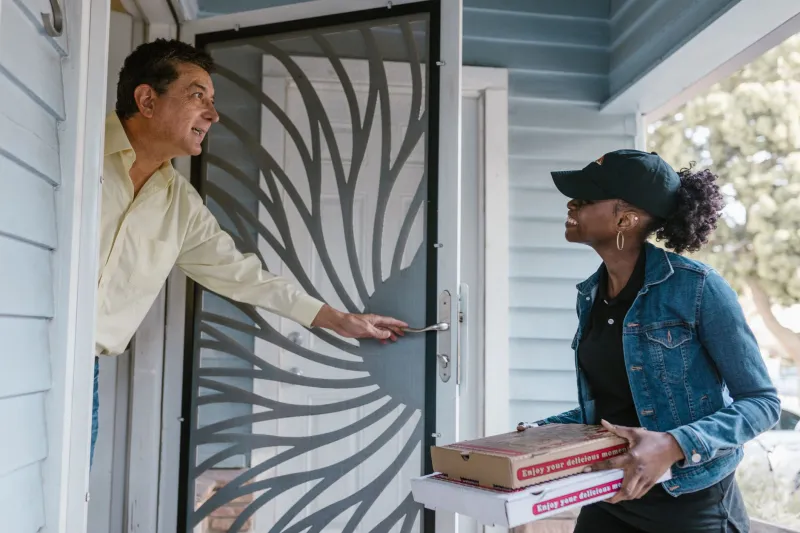
Why Cutting Out the Middleman Is the Smartest Move Any Pizza Shop Can Make
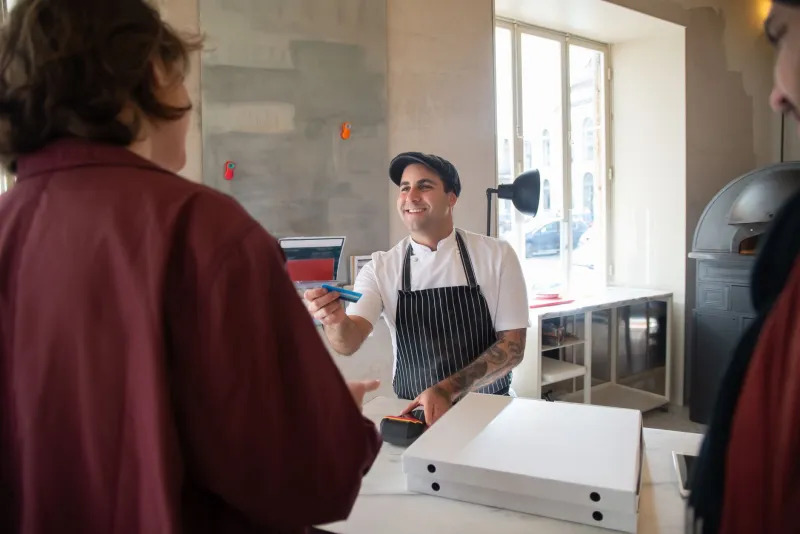
Let's be honest: the delivery app era seemed like a great deal at first. A pizzeria signs up, gets listed alongside hundreds of other restaurants, and suddenly orders start rolling in from customers who never would have found them otherwise. No extra marketing budget, no hustle required. Just plug in and profit.
Except it never really worked out that way.
For the better part of a decade, independent pizzerias across the country have been quietly subsidizing the growth of billion-dollar tech platforms — and only recently started doing the math on what that actually costs them.
The Commission Problem Nobody Talks About Loudly Enough
Here's the number that tends to stop people cold: major third-party delivery platforms typically charge restaurants anywhere from 15% to 30% in commission fees per order. Some contracts push even higher, especially for premium placement in search results. On a $25 pizza order, that's potentially $7.50 disappearing before a single ingredient cost is factored in.
Now multiply that across hundreds of orders a week. Then add the credit card processing fees. Then the cost of the marketing tools the platforms upsell you on just to stay visible in their own app. The picture gets uncomfortable fast.
For thin-margin businesses like pizzerias — where food costs, labor, rent, and utilities already consume most of what comes in — handing a quarter of every sale to a tech company isn't a growth strategy. It's a slow leak.
What makes it especially tricky is that many independent shops don't immediately feel the damage. Orders are coming in. The kitchen is busy. It looks like success. But busy and profitable are two very different things, and a lot of operators don't realize the gap until they're already deep in it.
The Customer Relationship You're Giving Away
The financial hit is real, but there's another cost that's harder to put a number on: when you run your business through someone else's platform, you lose direct access to your own customers.
Think about what that means in practice. When a customer orders through a third-party app, the app owns the transaction data. They know what that customer ordered, how often they order, what time of day, and what their spending habits look like. The restaurant? Gets an order ticket. That's it.
No email address. No order history you can actually use. No ability to reach back out with a loyalty offer or a heads-up about a weekend special. The relationship — such as it is — belongs to the platform.
Independent pizzerias that have moved to direct ordering models describe the shift as genuinely eye-opening. Suddenly they can see who their regulars are. They can reward the customer who orders every Friday. They can send a birthday deal or notify someone when their favorite seasonal topping is back. That kind of direct connection builds loyalty in a way that no algorithm-driven app ever could.
Why Customers Are Actually Ready for This
Here's something the big platforms don't want widely discussed: consumers are increasingly skeptical of them too.
Surveys consistently show that a significant portion of customers — often cited around 70% in food industry research — prefer to order directly from a restaurant when the option is easy and clearly available. The reasons vary. Some don't love the service fees that get tacked onto their end of the transaction. Others have had delivery go wrong and found it frustrating to navigate support through an app rather than just calling the restaurant directly. And plenty of people simply feel better knowing their money is going to the local business they actually like, not a platform taking a cut in the middle.
The friction that used to make direct ordering less appealing — clunky restaurant websites, outdated menus, no real-time order tracking — has largely disappeared. Well-built direct ordering systems now offer everything the apps do, without the added cost on either side of the transaction.
What the Shift Actually Looks Like
For pizzerias making the move away from app dependency, the transition doesn't usually mean going cold turkey overnight. Most start by investing in a solid direct ordering setup — a clean, mobile-friendly site where customers can browse the full menu, customize their order, and track delivery without any third-party involvement. Then they focus on getting their regulars to make the switch, often through simple incentives: a discount on your first direct order, a loyalty program that actually tracks your purchases, a deal you can only get when you order straight from the source.
The economics flip quickly once a critical mass of orders moves to direct. Every dollar that was going to the platform stays in the business. Customer data starts accumulating. The feedback loop tightens — when something goes wrong with an order, the customer calls the restaurant, not a help center overseas, and the restaurant can actually fix it.
Operationally, there are other advantages too. Direct orders tend to be more accurate because customers are communicating with the restaurant itself. Delivery timing is controlled in-house. The experience from order to doorstep is owned entirely by the people who made the food.
The Loyalty Math
There's a reason the pizzerias that have built strong direct ordering businesses tend to talk about their customer base differently than app-dependent shops do. They don't just have customers — they have regulars. People who come back not because an algorithm surfaced them at the right moment, but because they genuinely prefer ordering from that specific place.
That kind of loyalty is worth a lot. A customer who orders directly twice a month, year after year, is worth exponentially more than a one-time app customer who found you during a promotion and never came back. And the direct-order customer costs almost nothing to retain once the relationship is established.
At Piezano's, the whole model is built around that direct connection. Order through piezanospizzeriamenu.com and you're not feeding a commission structure that benefits someone else. You're dealing directly with the people making your food, which means better prices, better communication, and a better shot at your pizza showing up exactly the way you wanted it.
The Bigger Picture
The delivery app story isn't over — these platforms still move enormous volume, and for some restaurants in some markets, they remain a useful customer acquisition tool. But the idea that app dependency is a sustainable long-term strategy for an independent pizzeria is looking shakier every year.
The shops that are winning right now aren't the ones with the most app visibility. They're the ones that figured out how to own their customer relationships, control their margins, and deliver an experience that makes people want to come back — on their own terms.
That's not a tech story. It's just good business.