From Chain to Craft: Why Pizza Lovers Across America Are Going Local
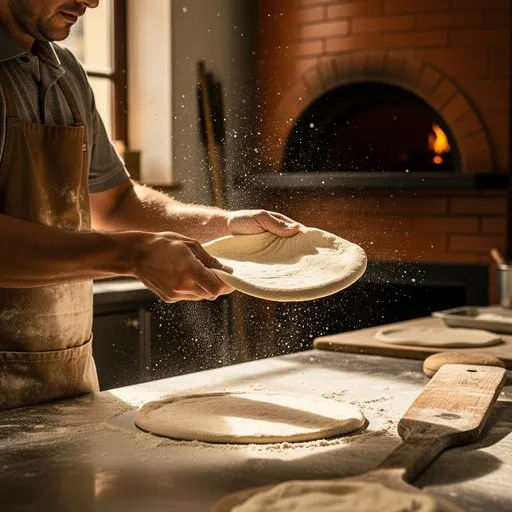
Photo: artisan pizza maker stretching dough in local pizzeria kitchen, via images.stockcake.com
For decades, ordering pizza meant scrolling through the same handful of national apps and picking from the same laminated-style menu you've had memorized since middle school. Thirty minutes later, a box arrived. The pizza was fine. It was always just... fine.
But something is shifting. Across cities like New York, Chicago, Austin, and Atlanta, a growing movement of discerning pizza fans is quietly abandoning the big-box delivery experience in favor of something that actually tastes like it was made by a human being who cares. Local, independently owned pizzerias are seeing surges in orders—and the reasons go deeper than just nostalgia or foodie snobbery.
The Problem With "Consistent"
Chain pizza built its empire on consistency. You know exactly what you're getting in Omaha, Orlando, or Oakland. The same sauce from the same can. The same dough mixed by the same machine. The same cheese portioned to the same spec.
For a long time, that felt like a feature. Predictability is comforting. But for a lot of pizza lovers, that consistency has started to feel like a ceiling—a cap on how good the pizza is ever allowed to be.
Marcus T., a 34-year-old software engineer from Brooklyn who describes himself as a "pizza obsessive," put it plainly: "I realized I was ordering from chains out of habit, not because I actually liked the pizza. The moment I tried a real local spot, I couldn't go back. It's like the difference between diner coffee and a good pour-over."
That comparison—between automated and artisanal—keeps coming up when you talk to people who've made the switch.
What Independent Pizzerias Are Actually Doing Differently
So what exactly separates a craft pizzeria from a chain? It usually starts before the dough even hits the oven.
Ingredient sourcing matters more than most people realize. Local and independent pizzerias tend to work with regional suppliers, seasonal produce, and higher-quality cheese. The difference between a fresh-pulled mozzarella and a pre-shredded, anti-caking-agent-coated blend is significant—in texture, in melt, and in flavor.
Dough is where the real divergence happens. Many artisan spots ferment their dough for 24 to 72 hours, sometimes longer. That slow fermentation develops complex flavor compounds, improves digestibility, and creates that characteristic chew and char that chain pizza simply can't replicate on a mass production timeline. It takes patience. Chains, by design, can't afford patience.
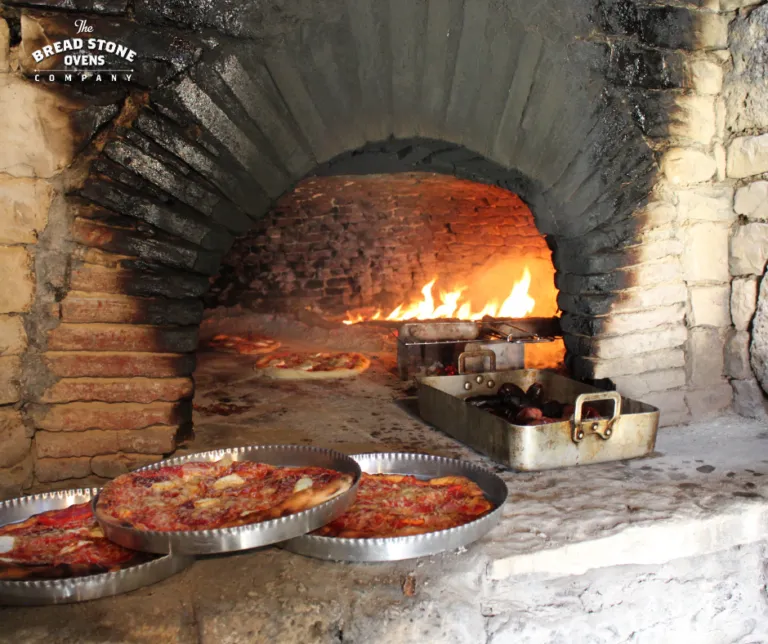
The oven tells the whole story. High-temp deck ovens and wood-fired setups reach temperatures that commercial chain ovens don't. That intense heat is what creates the blistered crust, the caramelized cheese edges, and the slightly smoky undertone that makes a great pizza taste like a great pizza.
None of this is accidental. It's the result of craft—of someone actually thinking hard about every variable in the pizza-making process.
The Delivery Experience Has Changed Too
One of the biggest arguments for chains used to be logistics. They had the infrastructure. They had the apps. They had the tracking and the speed.
But local pizzerias have caught up. Platforms that connect customers directly with independent spots have made it easier than ever to order from a neighborhood pizzeria without picking up the phone. At Piezano's, for example, the online ordering experience is built around making that process as smooth as possible—so you get the quality of a craft shop with the convenience you've come to expect.
And increasingly, pizza fans are reporting that they'd rather wait an extra five or ten minutes for something genuinely delicious than get a mediocre pie in record time.
"I Started Tasting the Difference"
Jamie L., a food writer based in Austin, described her turning point: "I ordered from a local pizzeria on a whim one night because the chain I usually used was backed up. The pizza arrived and I actually stopped and looked at it before I ate it—the crust had this beautiful char, the sauce was bright and fresh. I started tasting the difference, and after that, I just couldn't justify going back."
That sensory awakening is a common thread. Once you've tasted the real thing, the chain version stops being satisfying in the same way.
It's Also About Where Your Money Goes
Beyond the pizza itself, there's a values dimension to this trend that shouldn't be ignored. When you order from a local pizzeria, your dollars stay closer to home. They support the person who made your food, the staff who work there, and the local economy in a way that ordering from a national chain simply doesn't.
A lot of people are thinking about that now. The pandemic accelerated a broader awareness of how fragile local businesses are—and how much communities lose when they disappear. Supporting an independent pizzeria isn't just about better food. It's about investing in something worth keeping around.
What This Means for Your Next Pizza Night
If you haven't made the switch yet, consider this your nudge. The next time you're reaching for that familiar chain app on autopilot, pause for a second. Look up what's local. Check the menu of a spot like Piezano's, where the dough is made with intention, the ingredients are chosen carefully, and the pizza is built to actually impress you.
You might find that "consistent" was never really what you wanted. You wanted good. And good has been right here all along.