Hot at Your Door: The Tech Behind Pizza That Arrives Like It Just Left the Oven
There's a moment every pizza lover knows. You open the delivery box, and instead of that rush of steam and melted cheese, you get a lukewarm disappointment. The crust has gone limp. The toppings look like they've been sitting in a waiting room. You paid for pizza; you got a science experiment in cooling.
That experience, thankfully, is becoming a relic. The past decade has quietly staged a revolution in how pizza travels from oven to door—and it's not being driven by the big chains. Craft pizzerias like Piezano's have been at the forefront of rethinking every single link in the delivery chain, because when your product is made with real ingredients and genuine care, you can't afford to let physics win.
Why 'Fresh' Used to Be a Delivery Myth
For most of pizza delivery's history, the model was simple and deeply flawed. Pizza came out of the oven, got boxed in a cardboard container designed more for stacking than heat retention, and then spent anywhere from 20 to 45 minutes slowly losing everything that made it worth ordering. Chains compensated by engineering pies specifically to survive the journey—thicker crusts, more oil, cheese blends that re-melted reasonably well. It worked, but it wasn't great pizza. It was delivery-optimized pizza, which is a different thing entirely.
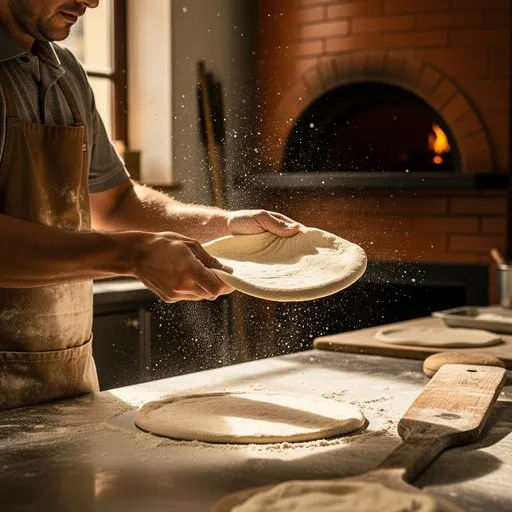
Craft pizza, by contrast, is built around the opposite philosophy. Thin, airy crusts. Fresh mozzarella. Carefully sourced toppings. These elements are also the most vulnerable to the ravages of transit. A Neapolitan-style pie that's been sitting in a standard cardboard box for 30 minutes isn't a Neapolitan-style pie anymore. It's a regret.
So how do you fix that without sacrificing what makes the pizza worth eating in the first place?
The Packaging Revolution Nobody's Talking About
The answer started in the box—literally. Modern insulated pizza bags have evolved dramatically from the quilted nylon pouches that used to live in the back of delivery cars. Today's high-performance carriers use layered thermal materials, some borrowed from food science and pharmaceutical shipping, that actively maintain internal temperatures rather than just slowing heat loss.
But the real game-changer has been in the pizza box itself. A growing number of craft pizzerias have moved to corrugated boxes with built-in ventilation channels—micro-perforations or raised platforms inside the box that let steam escape without letting heat out. This sounds counterintuitive, but it's brilliant: trapped steam is the enemy of a crispy crust. By letting moisture vent while retaining ambient heat, these designs keep a pie in its optimal state significantly longer than a sealed box ever could.
Some operators have gone further, experimenting with boxes that include small phase-change material inserts—essentially the same technology used in medical cold chains, just running in reverse. These materials absorb and release heat at specific temperatures, acting as a thermal buffer that keeps the pizza in a narrow, ideal temperature window throughout the journey.
Real-Time Logistics: The Brain Behind the Operation
Packaging is only part of the equation. The other half is timing, and this is where technology has made the most visible difference for customers. Real-time GPS tracking isn't new, but the way modern pizzerias integrate it into their kitchen workflow is.
At Piezano's, the goal isn't just to tell you where your driver is—it's to synchronize the oven with the road. Sophisticated point-of-sale and dispatch systems now allow kitchens to calculate a delivery window based on live traffic data, driver location, and order queue, then work backward to determine the exact moment a pizza should enter the oven. That means your pie isn't sitting under a heat lamp waiting for a driver to become available. It's coming out of the oven as close as possible to the moment it's handed off.
This kind of precision scheduling is a significant operational lift, but for craft pizzerias, it's worth it. When your product is genuinely better than the competition's, the last thing you want is for the delivery experience to undermine it.
The Driver Factor
All the thermal engineering in the world doesn't matter if the person carrying your pizza drives like the box is on fire. This is where driver training and incentive structures come into the picture. Forward-thinking pizzerias have started treating delivery staff less like gig workers and more like the final stage of a quality control process—because that's exactly what they are.
Proper bag handling, vehicle organization, route familiarity, and even driving style all affect what arrives at your door. Some operations use delivery performance metrics—not just speed, but customer satisfaction scores tied to specific drivers—to identify and reward the people who consistently deliver an exceptional experience. When drivers understand they're the last line of defense between a great pizza and a ruined one, the culture around delivery shifts.
What This Means When You Order from Piezano's
When you place an order through piezanospizzeriamenu.com, you're not just choosing a pizza. You're opting into a system that's been engineered, from dough to doorstep, to get you something genuinely worth eating. The tracking feature in your order confirmation isn't just a novelty—it's a window into a logistics operation built around the idea that craft pizza deserves a craft delivery experience.
The big chains spent decades convincing America that delivery pizza was a separate, lesser category. The technology and operational thinking now available to independent pizzerias like Piezano's have quietly dismantled that assumption. Your pizza can be hot, crispy, and exactly what it was meant to be—even if you're a few miles from the oven.
Fresh, it turns out, isn't just about ingredients. It's about every decision made between the moment your order is placed and the moment you open that box. And right now, those decisions have never been smarter.