Three Ingredients, Zero Hiding Places: What a Margherita Tells You About Any Pizzeria
There's a reason seasoned pizza lovers — the kind who have opinions about hydration ratios and argue about San Marzano tomatoes at dinner parties — almost always order a Margherita the first time they visit somewhere new. It's not nostalgia. It's strategy.
A Margherita is the culinary equivalent of a job interview question that sounds simple but tells you everything. Crushed tomatoes, fresh mozzarella, a handful of basil, olive oil, and dough. That's it. No caramelized onions to mask a mediocre sauce. No sausage to distract from a rubbery cheese pull. No drizzle of hot honey to smooth over a crust that never quite developed any real flavor. When a pizzeria makes a great Margherita, they've earned your trust. When they make a bad one, no amount of creative topping combinations can fix what's missing underneath.
At Piezano's, the Margherita isn't just a menu item — it's a statement of intent. Here's what goes into getting it right, and why each element matters more than most people realize.
The Tomato Situation Is More Complicated Than It Looks
Start with the sauce, because that's where most pizzerias quietly cut corners. Tomatoes are cheap and abundant, which means the quality range is enormous. A great pizza sauce isn't cooked down into something thick and sweet — it's closer to a barely-processed crush of ripe tomatoes that still taste like they came from somewhere real.
The gold standard most serious pizza makers reach for is San Marzano tomatoes, grown in the volcanic soil near Mount Vesuvius in Italy. They're less acidic, naturally sweeter, and have a lower water content than most domestic varieties, which means they don't turn your crust soggy. But sourcing matters as much as the name on the label. The market is full of imposters — cans labeled "San Marzano style" that are grown nowhere near Italy and taste like it.
What you're looking for when you bite into a Margherita is brightness. The tomato should taste alive, with just enough acidity to cut through the richness of the cheese. If it tastes flat, sugary, or overly cooked, that's a sign the kitchen started with inferior product and tried to compensate.
Fresh Mozzarella Is a Commitment, Not a Choice
Here's where a lot of otherwise decent pizzerias stumble: they use low-moisture, shredded mozzarella instead of fresh. And look, low-moisture mozz has its place — it melts beautifully, it doesn't release much water, and it's extremely consistent. But on a Margherita? It's a compromise that shows.
Fresh mozzarella — the real stuff, packed in water or whey — has a milky, slightly tangy flavor that you simply can't replicate with the pre-shredded bag version. It melts into soft, irregular pools rather than a uniform blanket. It blisters and browns at the edges in a way that creates texture. It makes the pizza feel handmade because, in a real sense, the handling of that cheese is part of the craft.
The challenge with fresh mozzarella is that it contains a lot of moisture. Slice it too thick, place it on too early, or underheat your oven, and you end up with a soupy, waterlogged pie that no one wants. Managing that moisture — knowing how to slice it, when to add it, how long it needs — is a skill that takes time to develop. When a kitchen gets it right, you notice immediately. The cheese is soft but not watery, with just enough browning to give it depth.
The Crust Carries Everything
You can have perfect tomatoes and beautiful fresh mozzarella and still serve a forgettable Margherita if the dough isn't right. The crust on this pizza isn't a vehicle — it's a co-star.
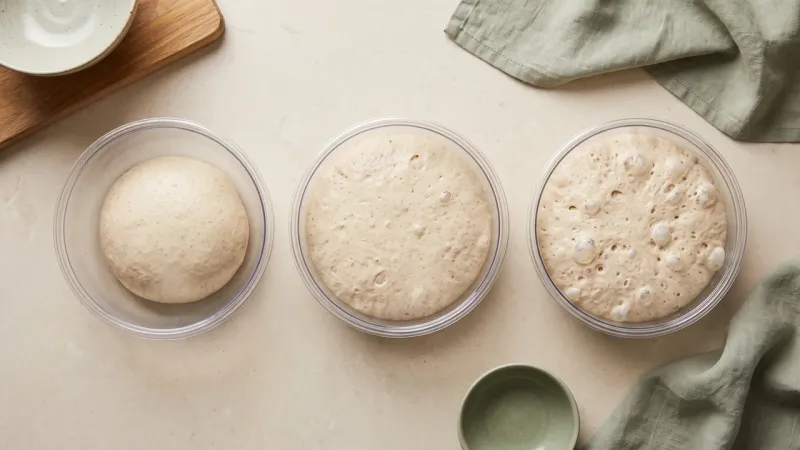
A properly made Neapolitan-style dough, which is the tradition the Margherita comes from, requires time above almost everything else. Fermentation — whether cold-proofed in the refrigerator for 24 to 72 hours or allowed to rise slowly at room temperature — develops the complex flavor that makes a crust worth eating on its own. You get that slight tang, the chew, the char on the cornicione (the puffy outer edge) that crackles when you bite into it.
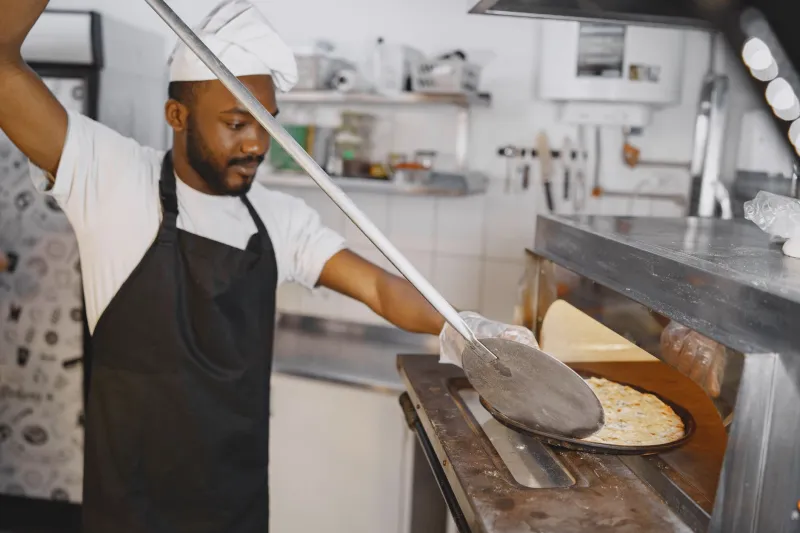
Heat is the other variable. Traditional Neapolitan pizza is baked in a wood-fired oven at somewhere around 900°F for 60 to 90 seconds. Most American pizzerias don't have that setup, but the best ones compensate with deck ovens cranked as high as they'll go, or by using baking steel at home. The goal is the same: fast, intense heat that sets the crust before the toppings have time to overcook.
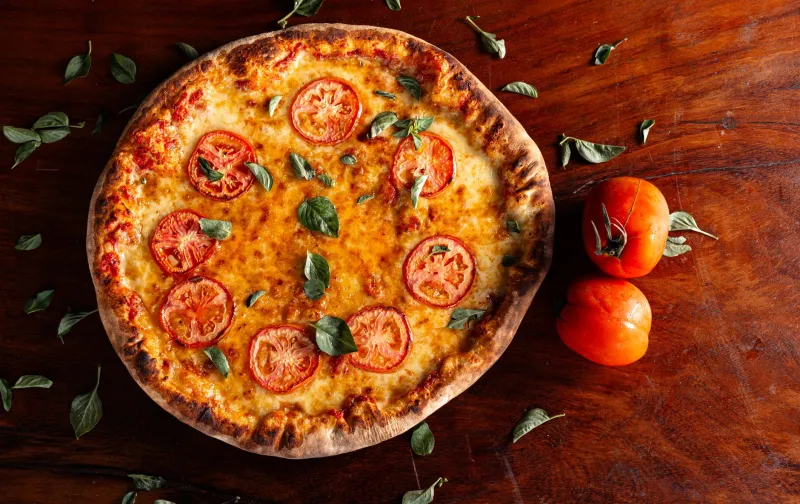
When you see leopard-spotted char on the bottom of a Margherita — those irregular dark patches that look almost burned but aren't — that's a good sign. That's the Maillard reaction doing its job, creating flavor compounds that taste nothing like raw dough.
Basil and Olive Oil: Don't Sleep on the Finish
This sounds like the easy part, but it matters. Fresh basil added after the pizza comes out of the oven keeps its bright, slightly peppery flavor intact. Basil that's been baked turns dark, loses its aroma, and contributes almost nothing. The difference is noticeable.
Same goes for olive oil. A light drizzle of good extra virgin olive oil — fruity, a little grassy, with actual flavor — right before serving adds richness and ties the whole thing together. Generic vegetable oil or low-grade olive oil doesn't do this. It just adds fat without adding anything worth tasting.
Why This All Matters When You're Ordering
If you've never used the Margherita as a quality check, try it next time you order from somewhere new. You'll learn more from that one pizza than from any review or rating.
At Piezano's, the Margherita is made the way it should be — with sourced tomatoes, real fresh mozzarella, properly fermented dough, and the kind of attention to timing that only comes from actually caring about the outcome. It's not the flashiest pizza on the menu, but in a lot of ways, it's the most important one.
Because if a pizzeria can't get three ingredients right, you probably don't want to know what they're doing with twelve.