Cold Pizza Is Not a Compromise — It Might Actually Be the Point
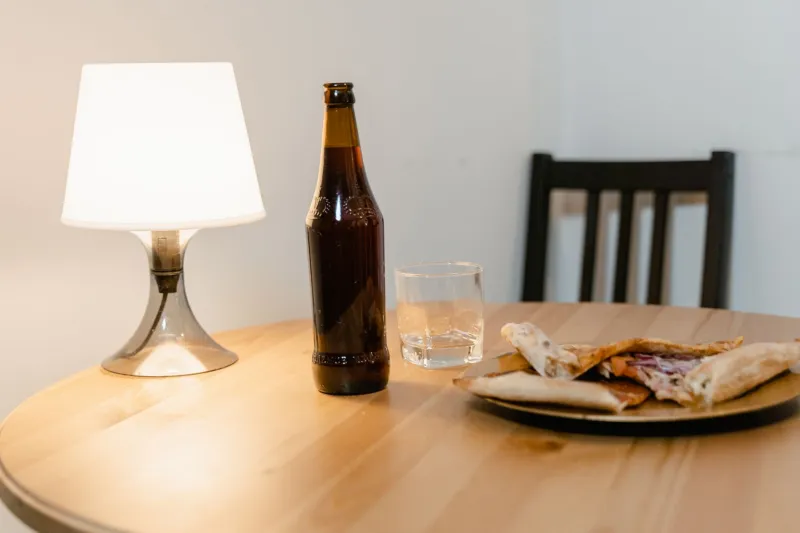
Let's be honest. At some point — probably around 7 a.m. on a Saturday, standing in front of an open refrigerator in yesterday's clothes — you've eaten a cold slice of leftover pizza and thought, this is incredible. Then immediately felt a little embarrassed about it.
You shouldn't. Because that instinct isn't a sign of low standards. It might actually be your taste buds picking up on something real.
The idea that pizza is best served scorching hot, straight from the oven, is the conventional wisdom. But conventional wisdom about food is wrong surprisingly often. Cold pizza has a devoted following in America for a reason, and the chemistry behind what happens to a slice as it cools and rests overnight goes a long way toward explaining why.
What Actually Happens When Pizza Cools Down
Fresh out of the oven, a pizza is a pretty chaotic system. The cheese is molten and fluid, the sauce is bubbling, steam is escaping through the crust, and all those aromatic compounds — the ones your nose catches before your mouth does — are volatilizing rapidly into the air. That's part of why a fresh pizza smells so extraordinary. You're literally inhaling a portion of its flavor.
But here's the trade-off: a lot of what makes hot pizza smell amazing is also leaving the pizza. Volatile aromatic molecules don't stick around. They evaporate.
As the pizza cools, that process slows down. Flavors that were racing off into the atmosphere start to settle back into the food itself. The cheese, which was loose and stretchy at 400°F, begins to firm up and bind with the sauce underneath it. The fat in the mozzarella redistributes. The crust, which was soft and steamy right after baking, gradually loses surface moisture and develops a slightly firmer, almost cracker-like texture in spots — especially around the edges.
By the time that slice has spent a night in the fridge, something close to a flavor equilibrium has been reached. Ingredients that were separate and distinct when hot have had time to meld. The sauce soaks slightly into the crust. The cheese becomes a cohesive layer rather than a sliding, molten sheet. What you're eating the next morning is, in a real sense, a more integrated version of the pizza you had the night before.
The Cold Temperature Factor
There's another layer to this, and it involves how human taste perception works at different temperatures.
Cold suppresses certain flavor receptors — that much is well established. It's why cold soda tastes less sweet than warm soda, and why ice cream manufacturers load their products with sugar that only fully reveals itself as the dessert warms in your mouth. But cold also does something useful: it slows your perception down.
With a hot slice, everything hits at once. The heat accelerates flavor delivery, but it also makes individual components harder to distinguish. With a cold slice, you get a slower, more deliberate release. The saltiness of the cheese, the acidity of the tomato sauce, the savoriness of whatever toppings you loaded up on — they come through in sequence rather than all at once.
For a pizza with complex toppings or a well-seasoned sauce, that slower reveal can actually make the flavor profile more interesting, not less.
Why the Crust Deserves Special Attention
One of the most underappreciated parts of the cold pizza experience is what happens to the crust. When a pizza comes out of a high-heat oven, the crust has two competing qualities: a crispy exterior and a soft, doughy interior. That contrast is part of what makes fresh pizza so satisfying.
But as the crust cools and moisture redistributes, the interior firms up. By the next morning, you often get a more uniform texture — denser, chewier, with a satisfying resistance that hot crust sometimes lacks. For fans of New York-style or thin-crust pizza especially, this can translate into a slice that holds together better and delivers a more deliberate bite.
The flip side, of course, is that the bottom of the crust can go slightly soft in the fridge if the pizza isn't stored properly. Which brings us to the practical stuff.
How to Store Leftover Pizza So It Actually Tastes Good
The cardboard box is not your friend here. Leaving slices in the original delivery box overnight traps moisture and accelerates sogginess. For best results:
Stack and wrap. Separate slices with a layer of parchment or wax paper, then wrap the whole stack loosely in aluminum foil. This lets the slices breathe just enough without drying them out completely.
Don't seal in an airtight container. Counterintuitive, but true — fully airtight storage traps steam and makes the crust gummy. A little airflow goes a long way.
Keep it flat. Storing slices on their side or stacking them without separators causes the toppings to shift and the cheese to stick to everything. Keep them horizontal.
Reheating: The Pan Method Wins, Every Time
If you do decide to reheat (no judgment if you don't — the cold slice has its merits), skip the microwave. Microwave reheating heats from the inside out, which turns the crust into a chewy, slightly rubbery mess while making the toppings unevenly hot.
The best method is a skillet on the stovetop. Drop your slice into a dry pan over medium heat, cover it loosely with a lid or a piece of foil, and let it sit for about five to six minutes. The bottom crust crisps up against the hot pan, and the trapped steam from the lid gently reheats the cheese and toppings without drying them out. What you get is something close to a freshly baked slice — but with all those overnight flavor developments locked in.
A toaster oven at around 375°F for eight to ten minutes is a solid second choice, especially if you want that slightly caramelized edge on the cheese.
So Is Cold Pizza Actually Better?
Not always. A truly exceptional fresh pizza — one with a blistered, char-spotted crust, fresh-pulled mozzarella, and a sauce that was made that day — is a different experience from a cold leftover. Both have their place.
But the cultural habit of treating cold leftover pizza as a lesser version of the real thing sells the leftover short. What you're eating the morning after isn't a degraded pizza. It's a transformed one — rested, integrated, and in some ways more fully itself than it was when it first came out of the oven.
Next time you order from Piezano's, maybe order an extra pie on purpose. Let it sit. See what happens.
Your 7 a.m. self will thank you.